
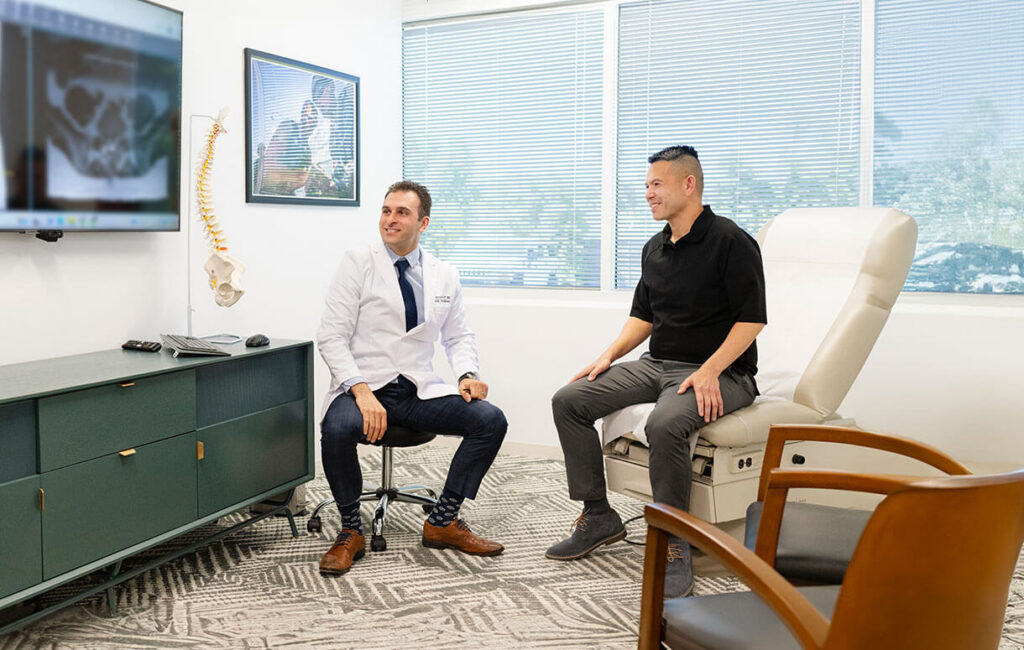
It’s normal to be nervous about having surgery, but spine surgeries often evoke fear and anxiety due to many myths and misconceptions that have circulated. These myths can deter patients from seeking necessary treatment or create unnecessary stress for those who need surgery. Let’s debunk some of the most common myths about spine surgeries.
Video: How DISC Helps Patients Overcome Pain

Myth 1: All Spine Surgeries Are Major Procedures
Reality: Not all spine surgeries are major procedures. Many spine conditions can be treated with minimally invasive techniques, which involve smaller incisions, less tissue damage, and quicker recovery times. Many procedures can effectively address issues without the need for extensive surgery.

Myth 2: All Spine Surgeries Are Risky
Reality: While all surgeries carry some risk, advances in medical technology and surgical techniques have significantly reduced the risks associated with spine surgery. Surgeons now use sophisticated imaging and navigation tools to increase precision, leading to safer outcomes. Plus, careful patient selection and preoperative planning further mitigate risks.

Myth 3: All Spine Surgeries Take a Long Time to Recover From
Reality: The recovery time for spine surgery varies depending on the type of procedure and the individual patient. Minimally invasive surgeries often have shorter recovery times and can even be outpatient procedures, allowing patients to get home and resume normal activities quicker than traditional surgery. Some patients might experience significant relief and improved function within a few weeks, contrary to the belief that recovery always takes months.

Myth 4: You’ll Have to Stay in Bed for Months After Surgery
Reality: Bed rest is rarely recommended for long periods after spine surgery. In fact, early mobilization and physical therapy are crucial for a successful recovery. Surgeons and physical therapists typically encourage patients to start moving and walking soon after surgery to promote healing and prevent complications like blood clots and muscle atrophy.

Myth 5: You’ll Be in Extreme Pain After Surgery
Reality: Post-surgical pain is a common concern, but advancements in pain management have made significant strides in alleviating discomfort. Surgeons use a combination of medications, including non-opioid options, and techniques like nerve blocks and epidural anesthesia to manage pain effectively. Many patients find that their pain decreases rapidly after surgery, particularly if their condition was causing severe pain beforehand.

Myth 6: You’ll Have a Restricted Lifestyle After Surgery
Reality: The goal of spine surgery is to improve the patient’s quality of life, not restrict it. While there may be some temporary limitations during the recovery period, most patients can return to their regular activities and even get back to physical exercise once they have healed. Following the surgeon’s guidelines and participating in physical therapy can help patients regain strength and mobility and get back to doing what they love.

Myth 7: You’ll Become Addicted to Painkillers After Surgery
Reality: Concerns about painkiller addiction are valid, but the risk can be managed with careful medical supervision. Surgeons and pain management specialists work together to create a pain management plan tailored to the individual. This often includes the use of non-opioid pain relievers, nerve blocks, and other techniques to minimize the need for narcotics. Patients are typically weaned off stronger medications as soon as it is safe to do so.
Spine surgery has advanced tremendously over time, and many of the myths surrounding it are outdated, or just simply wrong. Understanding the realities of spine surgery can alleviate fears and help patients make informed decisions about their health — remember, the ultimate goal of spine surgery is to enhance the patient’s quality of life by reducing pain and improving spine function. If you or a loved one are considering spine surgery, consult with a qualified spine specialist at DISC for a personalized patient treatment plan.



