
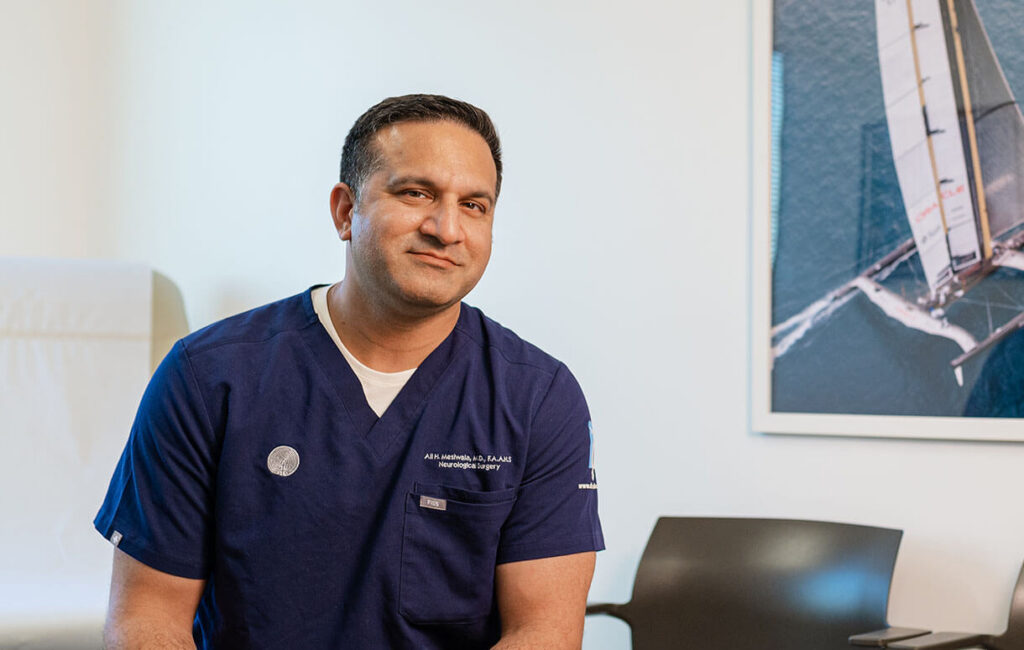
Undergoing spine surgery is a big deal, which is why it’s vital to find a surgeon you can trust. At DISC, we want you to feel confident in your diagnosis and treatment plan — and that starts with finding a care team that’s committed to getting you back to living life pain-free.
Video: How DISC Helps Patients Overcome Pain
With a million different options for providers and treatments, it can be confusing to know what is best for you, so we’ve put together our top 10 tips for finding a spine surgeon you can trust:

1. Look for an experienced, board-certified surgeon who specializes in the procedure you need
Finding a surgeon who specializes in the spinal procedure you need and has extensive experience performing that specific type of surgery is paramount. Every DISC physician is board-certified and fellowship trained, and is hand-selected for being a pioneer in their respective speciality. It’s what makes our team the leading care provider for sports injuries, orthopedic issues, and spine disorders.

2. Ask your network for referrals and recommendations
Seek out referrals from your primary care physician, friends, family, or other healthcare professionals you’re working with. Personal recommendations can provide valuable insights into the surgeon’s skills, bedside manner and overall patient satisfaction. DISC boasts a 98% positive patient satisfaction rating, and we’re proud to say many of our patients come from referrals!

3. Look into surgeons’ board certification and credentials
Ensure that the spine surgeon is board-certified, which indicates that they have completed the necessary training and have met the standards set by the relevant medical board. Also check the surgeon’s credentials — including their education, training and any potential disciplinary actions — which can often be found on websites of medical boards and professional organizations.

4. Research patient testimonials
Reading patient reviews and testimonials can be helpful in finding a pattern of positive or negative feedback that may provide some insights into the surgeon’s practice.
DISC has a plethora of patient reviews and testimonials on our website and on our social media pages, because we think hearing directly from our patients about their experience under our care is one of the best testaments to the work we do!

5. Pay attention to the surgeon’s communications skills
Choosing a surgeon who communicates effectively and takes the time to answer your questions will put your mind at ease. Clear communication is vital for understanding the procedure, potential risks, and expected outcomes.

6. Don’t feel bad asking for a second opinion
Different surgeons may offer different perspectives and treatment approaches, so don’t feel bad asking for a second opinion before making a final decision, especially if it helps put your mind at ease. Many of our patients come to us for a second opinion because our highly specialized physicians offer both established and innovative treatments.

7. Ask about procedure outcome data
Ask about the surgeon’s success and complication rates for the specific procedure you’re considering. Surgeons who track and share their outcomes demonstrate transparency and a commitment to quality. DISC proudly boasts a 0% surgical MRSA Infection Rate from more than 7,500 procedures performed at our centers, and a vast majority of those are performed as out-patient surgeries.

8.Verify insurance coverage
Make sure that the surgeon accepts your insurance plan and check with your insurance provider to understand the coverage for the specific procedure and associated costs.
DISC is committed to financial transparency from the beginning so there are no surprises along the way. We’ll go over all the costs associated with your treatment plan options so you can make an informed decision. Many of our doctors and outpatient surgery centers are in-network with most major providers.

9.Feel free to ask loads of questions
Prepare a list of questions about the surgeon’s experience, the recommended procedure, expected recovery, potential complications, and any worries that you may have. It’s also important to ask your surgeon if they use minimally invasive techniques and a microscope to perform the procedures. A knowledgeable and approachable surgeon will be open and willing to address your concerns.
At DISC, we want you to feel comfortable with your treatment plan, so we take the time to get to know your needs and provide in-depth educational materials on your options. We’ll walk you through every detail of your procedure or surgery to help make sure you’re confident going into the procedure.

10. Don’t undermine your gut feeling
If you feel comfortable and at ease with a particular surgeon, trust your instincts because it may be a good indication that they are the right fit for you. Alternatively, if you feel on edge when meeting with a potential care team, make note of that too.
Finding the right healthcare provider can be overwhelming. We’re here to answer any questions you might have and help you discover your treatment options.



