
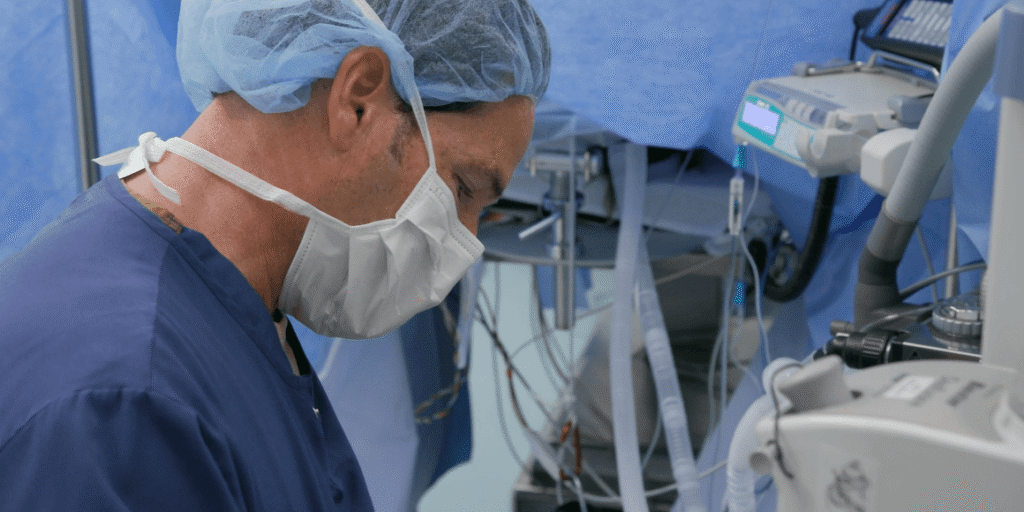
Part of preparing for spine surgery is knowing what to expect after surgery. In addition to counseling you on managing post-operative pain or limiting your activities, your surgeon or anesthesiologist should talk to you about the possible side effects of anesthesia. Though the anesthesia you’ll receive during spine surgery is generally very safe, here’s what you need to know about what you may experience during your recovery period.
Minimizing the Risk of Side Effects from Anesthesia
Many factors affect how your body responds to anesthesia, so prior to your surgery, your anesthesiologist will gather all necessary information. This includes:
- Your medical history
- Any medications you are currently taking
- Your overall health
- Your previous experience with anesthesia
- Your lifestyle factors, such as alcohol use and smoking history
Because several different medications can be used for anesthesia, this information helps your anesthesiologist determine which ones are best for you. This keeps you safe during your spine surgery and can help lower the incidence of side effects once you are in recovery.
Understanding the Common Side Effects of Anesthesia
General anesthesia affects your whole body. Even with careful consideration regarding the choice of anesthetic, you may experience some of the following when you awake from spine surgery:
- Grogginess or confusion: It’s normal to feel a bit sleepy when you are coming out of anesthesia. You may not remember things clearly, or you may experience a little “brain fog.” In many cases, this will resolve after a few hours, but in some cases, especially with the elderly, it may persist for a few days.
- Nausea or vomiting: You might feel sick to your stomach when you first come out of anesthesia. Anti-nausea medications may be offered if you experience this side effect. Again, this is normally temporary, but sometimes, the effects can last a couple of days.
- Dry mouth and sore throat: Certain medications used during surgery can leave you with a dry mouth. If you had a breathing tube inserted during the procedure to help you breathe, you might wake up with a sore throat. Drinking water and taking pain medications may help relieve these symptoms.
- Dizziness: You may feel a bit light-headed when you first change positions after surgery. You’ll be monitored closely when you sit up in bed, stand, and walk to make sure you are safe.
- Chills: Your body temperature can decrease during surgery, making you feel chilled when you awake. The surgical staff can provide you with extra blankets if you need them.
- Itching: Narcotics are often used during surgery. A side effect of these medications is a generalized itching sensation throughout your body.
- Difficulty urinating: Some drugs used during general anesthesia can affect the nerves and muscles that help you urinate. Be sure to let your doctor know if this problem persists.
- Muscle aches: Some muscle relaxants used during your spine surgery can make your muscles feel sore after you awake, as can lying in the same position during the procedure.
Keeping Yourself Safe at Home
Because many spine surgeries are performed in an outpatient facility, you’ll likely go home the same day. Though you’ll spend time recovering in the surgical center before you are released, most of your spine surgery recovery will take place at home. So it’s a good idea to take some extra precautions.
You’ll need someone to drive you home, but it’s even better if you can have someone stay with you for at least 24 hours after surgery, especially if you are still feeling tired or dizzy. Lingering effects of anesthesia combined with pain medication can slow your reaction time or impair your judgment.
Be particularly vigilant about protecting yourself from falls during this time. Change positions slowly. Take care when using the stairs. Make sure you have a clear and easy path from where you are sleeping to the bathroom, and wear slippers or socks with non-skid bottoms to give you extra traction on slippery floors.
The effects of anesthesia are usually transient, but if you have any concerns about your recovery from spine surgery, our team at DISC Sports & Spine Center is here to help. With our highly personalized approach to anesthesia, you’ll experience minimal side effects and remain safe and comfortable during your recovery period.



