
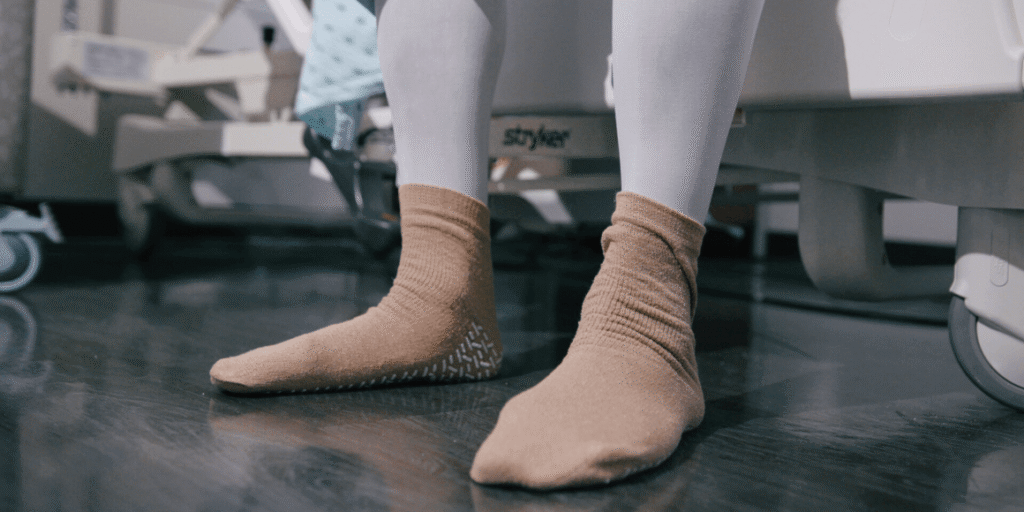
Would you be surprised if your surgeon told you that you’d be out of bed and walking shortly after your spine surgery—usually within hours? Many people still anticipate the “older school” of thought and assume that long periods of bed rest should be expected after an operation of this nature. But, in fact, quite the opposite is true. Early mobilization after surgery is good for you in several ways.
Get Moving to Get Better
During surgery, the systems in your body slow down. Early mobilization helps reverse this by improving your blood flow and delivering oxygen throughout your body. Early mobilization activities include getting in and out of bed, sitting down and rising from a chair, standing, and walking. Studies have shown that initiating these movements early on can help patients avoid complications after surgery, such as:
- Blood clots
- Pneumonia
- Breathing problems
- Muscle weakness
- Constipation and gas pain
- Urinary tract infections
- Blood infections
- Delayed wound healing
- Pressure sores
Engaging in these activities after spine surgery has also been shown to improve your appetite and mood. Early mobilization is even associated with shorter lengths of stay.
Though the goal is to get you moving, it’s important to take it slow. On your first time out of bed, you’ll sit up and dangle your legs off the side for a few minutes before standing to make sure you don’t feel lightheaded or dizzy. Your safety after surgery is the top priority, so you’ll be assisted during the whole process by our highly trained nurses. Whether you are walking to the bathroom or strolling up and down the hall, this gentle and low-intensity movement is beneficial to your recovery.
Follow Your Doctor’s Instructions for Continued Recovery
Your surgeon should give you specific instructions for how to progress your activity in the weeks after your spine surgery. But in general, you’ll want to give your body that first week to relax and start the healing process. This doesn’t mean strict bed rest. Instead, find yourself a comfortable place at home and move as needed, but avoid anything excessive. You don’t want to overdo it during this time and set your recovery back.
It’s always important to listen to your body and take breaks or rest as needed. But if you’re feeling good after the first week, you can start to increase your activity level. Knee surgery is different, but often, light exercise can be resumed after two or three weeks. Closer to six weeks after surgery, you may start a physical therapy program to continue to improve your strength and mobility.
Enhance Your Recovery by Preparing Before Surgery, Too
In addition to early mobilization, you can lower your risk of complications and improve your surgical outcome by improving your health prior to surgery. When your body is in good physical condition, it will tolerate surgery better and help you bounce back faster. Your spine surgeon may advise you to do the following:
- Quit smoking.
- Lose weight if needed.
- Bring your blood sugar under control if you have diabetes.
- Treat anemia with an iron supplement,
- Be mindful of what you eat, making sure you get enough protein and nutrients.
- Stay active and improve your core strength.
What you do both before and after your spine surgery has a significant impact. This is why at DISC Sports & Spine Center, we counsel our patients on how to best prepare for surgery and provide a personally tailored recovery plan after the operation. Because we specialize in minimally invasive surgery, our patients heal quickly with minimal pain, allowing them to get back on their feet and moving more easily than they may have anticipated. If you are undergoing spine surgery, keep these factors in mind. You’ll experience a smoother recovery as a result.



