
If you are suffering from chronic neck pain, you may be curious about the difference between artificial disc replacement and the procedure known as ACDF (anterior cervical discectomy and fusion). These procedures are usually used to correct underlying cervical disorders that cause long-term pain, numbness and tingling, and disability. To better understand disc replacement and ACDF, it helps to have a basic understanding of your anatomy. Let’s begin by exploring the cervical vertebrae.
Understanding Your Cervical Anatomy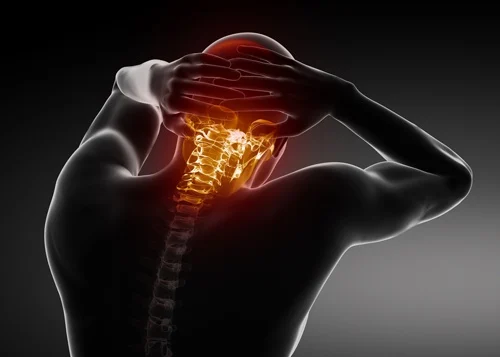
Your neck is made up of seven cervical vertebrae that form the uppermost region of the spinal column. The cervical region continues downward to the thoracic region—12 vertebrae that run along the back of the torso—which is followed by the five lumbar vertebrae that make up the lower back. The five fused bones of the sacrum form the back of the pelvic girdle, and the spine terminates with the four tiny fused bones of the coccyx. There are a total of 33 vertebrae in the human body, although some are naturally fused (sacrum and coccyx).
The cervical vertebrae are distinct in several aspects. The top two vertebrae (the atlas and axis) are uniquely designed to allow the full range of motion of the head. However, the cervical vertebrae are prone to injuries such as whiplash.
Like other vertebrae, the cervical bones have small holes (foramen) on either side where the nerves branch out from the spinal cord. The cervical bones also have foramina that provide passage to large vessels that supply blood to the head. The spinal cord runs from the brain down through the central foramina of each cervical and thoracic vertebra, before branching out when it reaches the lumbar region.
The cervical vertebrae are separated by discs that provide support, allow flexibility, and act as shock absorbers, protecting the bones from the forces exerted by the weight of the head. Each disk has a soft nucleus surrounded by a tough, outer fibrous ring, which together provide cushioned support for the vertebrae.
Age Changes in the Cervical Vertebrae
Like all vertebrae, the cervical bones, along with their discs, degenerate as we age. The discs can become compressed or leak their fluid, diminishing their support and allowing vertebrae to grind together. The discs can also bulge, putting pressure on surrounding nerves, causing pain, numbness, and tingling down the arms, and preventing normal movement.
The bones themselves can also change with age. They may lose density, such as in osteoporosis, or the cartilage protecting the vertebrae can wear down, allowing bones to rub. Bony ridges can also develop around each vertebra, restricting movement and limiting the normal flexibility of the spine.
With all of these issues, it’s no wonder neck pain is as common as it is. And because so many suffer from chronic neck pain and resulting disability, there are procedures to correct these disorders. Here, we’ll examine two of them: artificial disc replacement and ACDF.
Artificial Disc Replacement vs. ACDF
The goals of both disc replacement and ACDF are to alleviate pain and other symptoms, provide stability to the cervical spine, and return you to an active lifestyle. The decision regarding which procedure is best suited for your condition should be made through a thoughtful consultation with your surgeon. Here are the fundamentals of each procedure:
- Artificial Disc Replacement: The damaged disc is removed and replaced with an artificial disc that can provide the same support and cushion as a natural disc, while alleviating the pressure on surrounding nerves. The renewed padding between the vertebrae will prevent painful grinding, while restoring flexibility to the joint. By replacing the damaged disc, you can expect a reduction or cessation of pain and symptoms, while regaining the mobility you had prior to surgery.
- ACDF: During ACDF, an incision is made in the front of the neck and the damaged disc is removed. The affected vertebrae are then fused together, using a bone graft and hardware, providing support to and renewing stability in the joint. The major drawback of ACDF is the loss of mobility at the joint, because the bones are now fused as a unit. Even with this limitation, ACDF is an effective means of correcting pain and instability in the cervical vertebrae.
Choosing a Surgeon
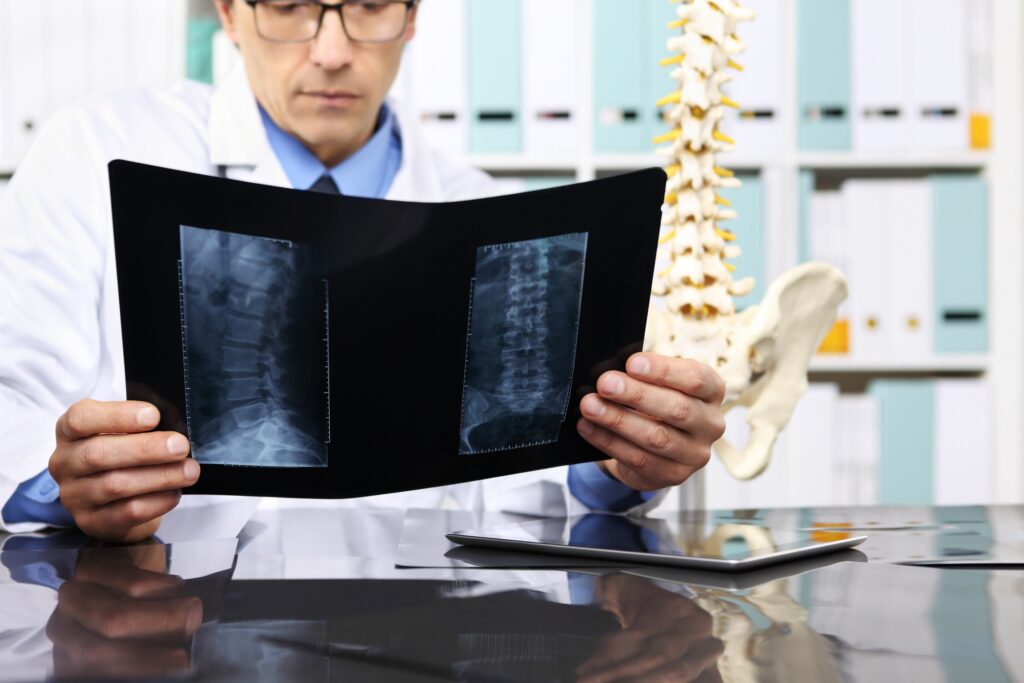
Your choice of surgeon is just as important as deciding which procedure is best for your condition. In fact, your choice of surgeon can have direct implications on which procedure is performed. You want a surgeon who is trained and experienced in both so that you have options when deciding whether your symptoms can be effectively treated through disc replacement or whether your condition warrants fusion. Choosing a surgeon who can perform either procedure means their advice will not be based on a limited scope of practice.
Another surgical option to consider is minimally invasive spinal surgery. Minimally invasive spinal surgery (MISS) offers many advantages over conventional surgery. They include:
- Smaller incisions, because the entire procedure is performed through microscopes
- Less trauma to the neck and surrounding tissues
- Reduced blood loss
- Quicker recovery time, with the patient up and walking the day of surgery
- Less risk of hospital-based infection, because the procedure is performed on an outpatient basis
- Less scarring
The decision of how to treat your chronic neck pain should be made in close consultation with a surgeon who can offer the best treatments and the most effective techniques, returning you to the active lifestyle you once had. Knowing your options is the first step.



